How AI & Matter Protocol are Revolutionizing Home Automation
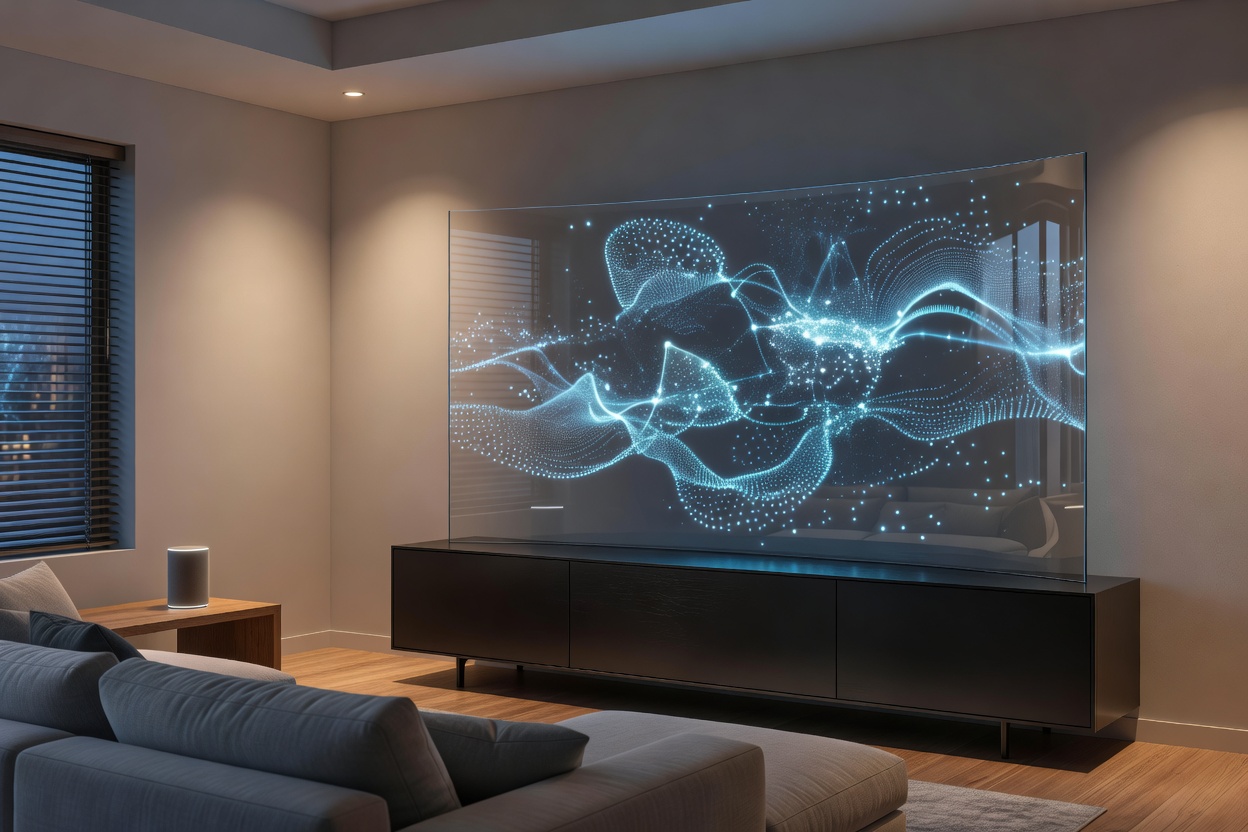
For over two decades, the vision of a truly smart home was hampered by vendor lock-in, fragmented wireless protocols, and rigid IF-THEN logic systems. A user owning Apple HomeKit, Google Home, and Amazon Alexa hardware frequently found themselves stranded between non-communicating device silos.
The introduction of the Matter standard, built on Thread and Wi-Fi networks, solved the physical communication barrier. However, the true quantum leap occurring in 2026 is the convergence of Matter with on-device machine learning model architectures.
Key Takeaway: Matter provides the unified language for devices to talk to each other, while edge neural chips supply the brainpower needed to eliminate manual scene programming.
From Static Rules to Neural Intent Understanding
Traditional smart home automation required manually setting rules: "If motion sensor detects motion between 6:00 PM and 10:00 PM, turn light strip on." This rigid method breaks down as soon as dynamic human lives diverge from strict schedules.
Next-generation Neural Home Engines continuously evaluate ambient room temperature, outside sunlight levels, regional energy grid prices, and household historical patterns. Instead of turning on a light at full brightness, the system smoothly interpolates color temperature and lumen output to match circadian rhythms without explicit user input.
Predictive Energy Management & Grid Integration
With localized energy generation (solar PV systems) and battery backup solutions becoming commonplace, AI models optimize electrical consumption in real-time. By connecting directly with regional dynamic pricing feeds, local AI units dynamically instruct HVAC pumps, EV chargers, and water heaters to store thermal and electrical energy when costs are lowest.