The Next Decade of AI in Smart Homes: From Reactive Automation to Ambient Intelligence
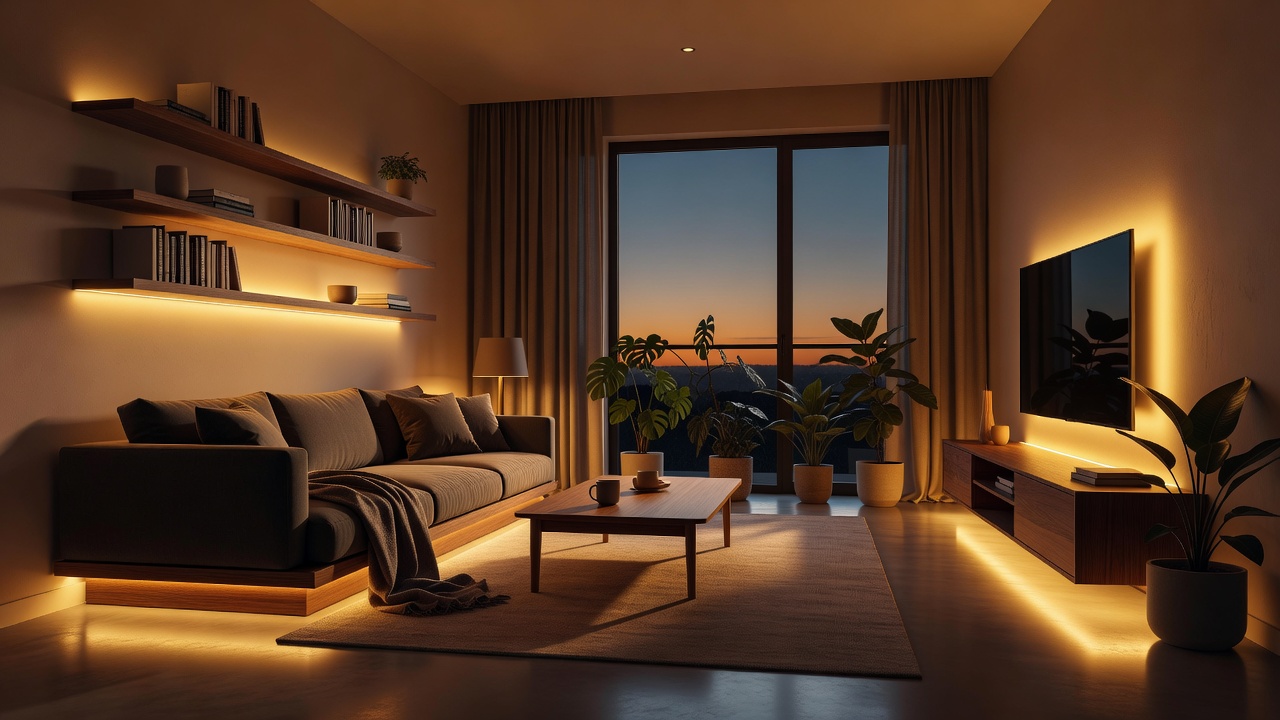
For over twenty years, "smart homes" were defined by remote controls inside smartphone apps. Turning off a light switch required opening an application, waiting for a server connection, and tapping a button—a process often slower than simply walking over to the wall switch. As we move deeper into 2026, the industry is undergoing a structural transition toward true Ambient Intelligence.
1. Zero-Touch Spatial Computing
The core vision of ambient intelligence is invisibly anticipating human needs without explicit commands. By combining micro-Doppler radar sensors with transformer-based predictive algorithms, modern residential spaces detect subtle body language, stress levels, and circadian cycles.
2. Local Small Language Models (SLMs)
Large language models historically required remote multi-billion-parameter cloud servers. However, 2026 marks the widespread deployment of 3-billion-parameter Quantized SLMs directly onto edge home hubs. Homeowners can speak naturally in context ("Make it cozy in here for reading") and local nodes instantly execute complex dynamic lighting, temperature, and audio scenes in real-time.
3. Sustainable Resource Autonomy
With smart grids and residential battery solar systems expanding globally, smart home AI now manages microgrid loads automatically. Homes trade energy back to local grids during price spikes, schedule heavy loads during peak solar production, and dramatically lower municipal water and power consumption.
4. Architectural Synergy
When physical sensors, localized intelligence engines, and standardized communication protocols work in unison, the home ceases to be a collection of disconnected gadgets. Instead, it becomes an adaptive biological environment tailored precisely to the health, comfort, and productivity of its human occupants.